Say Goodbye to Damp Carpets and Cold Concrete: A Winter Flooring Upgrade Guide for St. Joseph, MI Homes
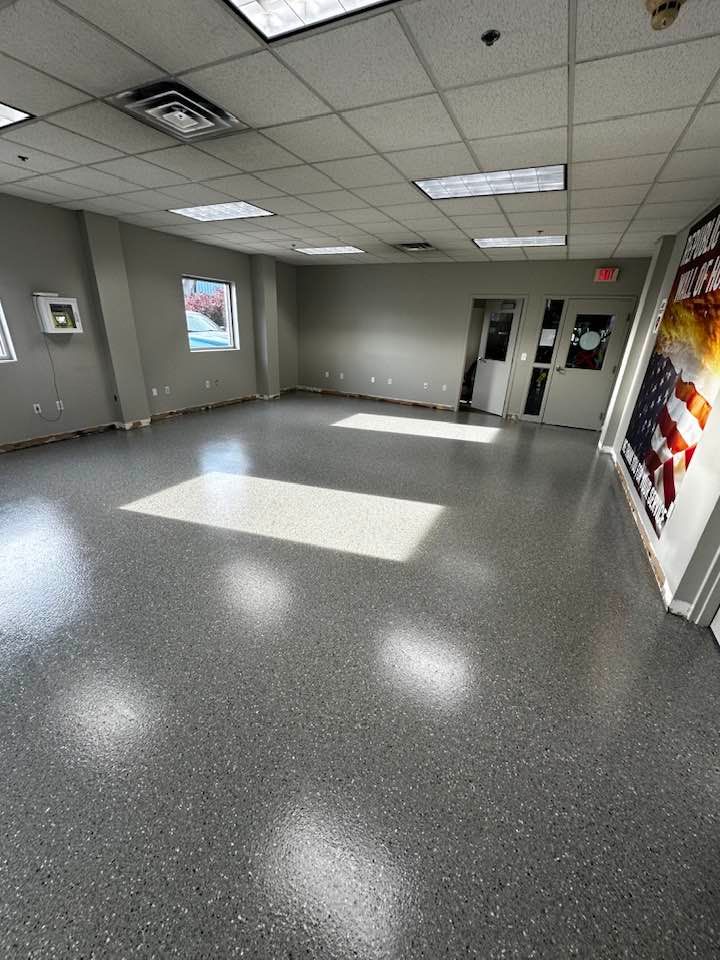
Seamless floor coatings in St. Joseph, MI replace moisture-trapping carpet and vinyl with heat-retentive systems that prevent mold, improve basement comfort, and withstand winter humidity better than traditional basement materials.
Why Do Basement Carpets Fail During Michigan Winters?
Basement carpets trap moisture rising through concrete slabs and condensation from humid winter air, creating persistent dampness that breeds mold and produces musty odors.
Carpet padding acts like a sponge, absorbing moisture from both the concrete below and the air above. Once saturated, the padding remains damp for weeks or months, providing ideal conditions for mold and mildew growth. The carpet fibers themselves hold moisture and dirt, making thorough cleaning nearly impossible.
St. Joseph's proximity to Lake Michigan increases basement humidity during winter months, accelerating carpet deterioration. Many homeowners discover mold growing beneath carpet only after removing it, revealing extensive damage to both the flooring and the concrete beneath.
How Do Vinyl and Laminate Floors Perform in Basements?
Vinyl and laminate flooring trap moisture between the material and concrete slab, causing warping, buckling, and adhesive failure during winter humidity fluctuations.
These materials create a vapor barrier on top of the concrete without addressing moisture transmission from below. Water vapor that rises through the slab becomes trapped beneath the flooring, where it condenses and pools. This trapped moisture causes vinyl to lift at the seams and laminate to swell and buckle.
The adhesives used to install these materials also break down when exposed to constant moisture, leading to loose sections and trip hazards. Unlike carpet, vinyl and laminate cannot absorb excess moisture, so problems become visible more quickly.
What Makes Epoxy and Polyaspartic Coatings Superior?
Epoxy and polyaspartic systems bond directly to concrete, creating a seamless vapor barrier that blocks moisture transmission while providing a durable, easy-to-clean surface that resists winter humidity.
The chemical bond between coating and concrete eliminates the gap where moisture can accumulate. This seamless integration prevents the delamination and failure common with surface-applied flooring materials. The coating also remains flexible enough to accommodate minor concrete movement without cracking.
Homeowners who find concrete leveling services in St. Joseph often discover that proper surface preparation followed by professional coating installation solves problems that have plagued their basements for years.
Can Coated Floors Feel Warmer Than Bare Concrete?
Yes, coating systems insulate the concrete surface and prevent direct contact with the cold slab, making the floor feel noticeably warmer underfoot during winter months.
The coating layer acts as a thermal buffer between your feet and the frozen ground beneath your foundation. While the coating does not generate heat, it prevents the concrete from conducting cold directly to your body. This improved comfort makes basements more inviting for barefoot activities like yoga, play, or relaxation.
Adding area rugs over coated floors provides additional warmth and comfort without the moisture-trapping problems of wall-to-wall carpet.
Which Coating System Works Best for St. Joseph Basements?
Multi-layer epoxy systems provide excellent moisture resistance and durability for St. Joseph basements, while polyaspartic topcoats add UV stability and rapid curing for faster project completion.
A typical system includes a primer coat that penetrates the concrete and creates a strong foundation, followed by one or two base coats that build thickness and provide color. A clear polyaspartic topcoat adds chemical resistance, UV stability, and a high-gloss finish that reflects light and brightens the space.
This layered approach provides redundant moisture protection and ensures long-term performance even in challenging basement environments near Lake Michigan.
How Long Do Professional Coating Systems Last?
Properly installed epoxy and polyaspartic systems last 15 to 20 years or more in residential basements with minimal maintenance, far exceeding the lifespan of carpet, vinyl, or laminate flooring.
The chemical bond between coating and concrete does not degrade over time like mechanical fasteners or adhesives. The coating resists moisture, chemicals, and abrasion that destroy traditional flooring materials. Regular cleaning maintains the appearance and performance without the need for professional services.
This longevity makes coating systems a cost-effective investment that eliminates the repeated replacement cycles common with carpet and vinyl.
Best Step Coatings replaces moisture-damaged basement flooring throughout St. Joseph with seamless coating systems designed for Michigan's challenging winter climate. Experience the difference a professionally coated floor makes in your basement comfort and air quality this winter.