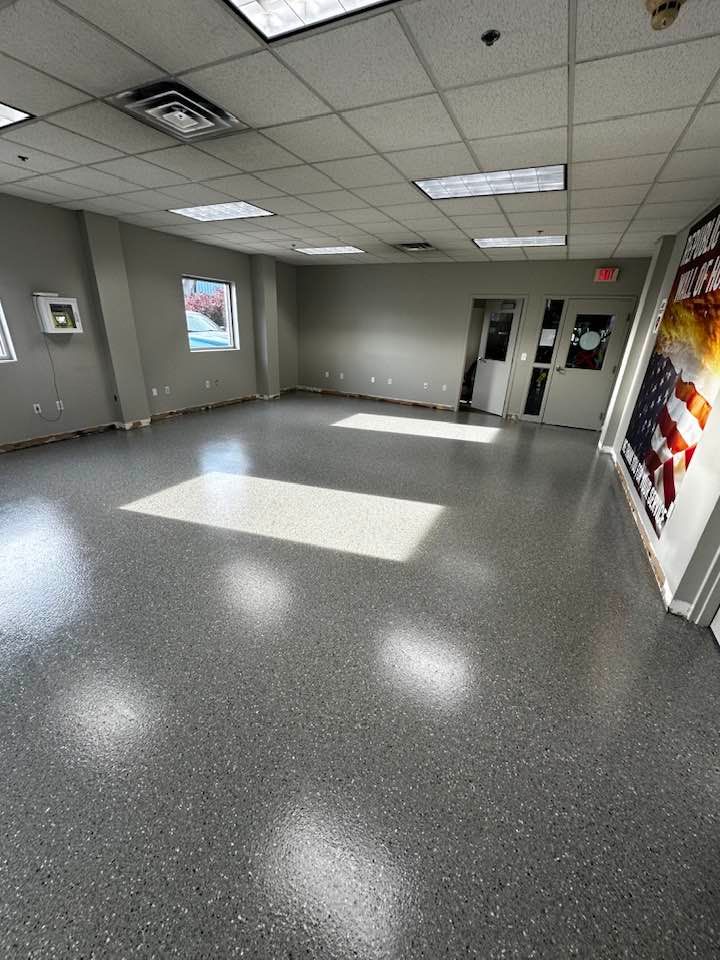
Beat the Michigan Freeze: Why Late Fall Is the Ideal Time for Basement Floor Coatings in Richland, MI
Late fall in Richland, MI provides optimal temperature and humidity conditions for basement floor coatings before severe freezing temperatures arrive, protecting subfloors from heavy snow melt and ground moisture throughout winter.
What Temperature Conditions Does Epoxy Installation Require?
Epoxy and polyaspartic coatings require concrete temperatures above 50 degrees Fahrenheit and stable humidity levels to cure properly and form a lasting bond with the slab.
When temperatures drop below this threshold, the chemical reaction that hardens the coating slows dramatically or stops entirely. This incomplete curing leads to soft spots, poor adhesion, and premature failure. Late October and early November in Southwest Michigan typically offer daytime temperatures in the 50s and 60s, ideal for professional installation.
Indoor basement temperatures remain more stable than outdoor conditions, but the concrete slab itself stays cooler because it contacts the ground. A qualified installer will measure slab temperature directly before beginning work to ensure proper curing conditions.
How Does Timing Affect Long-Term Floor Performance?
Installing coatings in late fall allows the system to fully cure and develop maximum strength before winter moisture and freeze-thaw cycles stress the basement floor.
A properly cured coating creates a chemical bond with the concrete that can withstand decades of use. Rushing installation during cold weather or waiting until spring means your floor faces winter damage without protection. Cracks that form during winter often require costly repairs before coating can proceed.
Homeowners who find flooring solutions in Richland during autumn gain peace of mind knowing their investment is protected before the first snowfall.
Which Weather Patterns Make Fall Installation Urgent?
Southwest Michigan's unpredictable early winter weather can bring sudden temperature drops and heavy snow in late November, closing the installation window without warning.
Richland sits in a lake-effect snow belt that can receive significant accumulation earlier than surrounding areas. Once temperatures consistently fall below freezing, installation becomes impossible until spring. Waiting also means your basement remains vulnerable to moisture damage throughout the entire winter season.
Scheduling your project in October gives you buffer time if weather delays occur, ensuring completion before Thanksgiving when temperatures typically drop for good.
Do Coatings Protect Against Spring Thaw Damage?
Yes, coatings installed in fall create a waterproof barrier that prevents spring thaw moisture from penetrating the concrete and causing efflorescence, mold, or structural damage.
When heavy snow melts in March and April, the water has nowhere to go but down through the soil around your foundation. Unprotected concrete absorbs this moisture, leading to white mineral deposits, musty odors, and potential mold growth. A sealed floor prevents water intrusion regardless of how much snow accumulates over winter.
This protection extends the life of your basement floor and maintains healthy indoor air quality during the wettest months of the year.
Can Homeowners Use Their Basements During Installation?
Most coating systems require 24 to 48 hours of curing time before light foot traffic and several days before moving furniture back, making fall timing convenient for families.
Polyaspartic systems cure faster than traditional epoxy, often allowing return to service within one day. Planning installation during a long weekend or school break minimizes disruption to your household routine. The mild fall weather also makes it easier to ventilate the space during application and curing.
Completing the project before holiday gatherings means your basement is ready for guests and family activities when you need the space most.
What Preparation Steps Should Happen Before Cold Weather?
Professional installers inspect for cracks, test moisture levels, and clean the concrete thoroughly to ensure proper adhesion before applying coating systems in late fall.
Surface preparation accounts for 80 percent of coating success. Grinding or shotblasting removes contaminants, opens the concrete pores, and creates the profile needed for mechanical bonding. Any structural cracks receive epoxy injection or patching to prevent them from telegraphing through the new coating.
Addressing these issues in autumn prevents winter moisture from exploiting weaknesses in your basement floor.
Best Step Coatings specializes in fall basement floor installations throughout Richland and Southwest Michigan. Connect with our team this October to secure your installation before winter weather arrives and protect your home from seasonal moisture damage.